Monday, November 26, 2012

~ Niðursoðnar Rauðrófur


Niðursoðnar Rauðrófur, or pickled beets, is my favourite Icelandic recipe so far. It tastes just my grandmas; the beets are tangy but sweet. Pickled vegetables were an essential for historical Iceland because with the short growing season, food preserves helped Icelander make it through the winter. This is another wonderful recipe from my hometown friend.
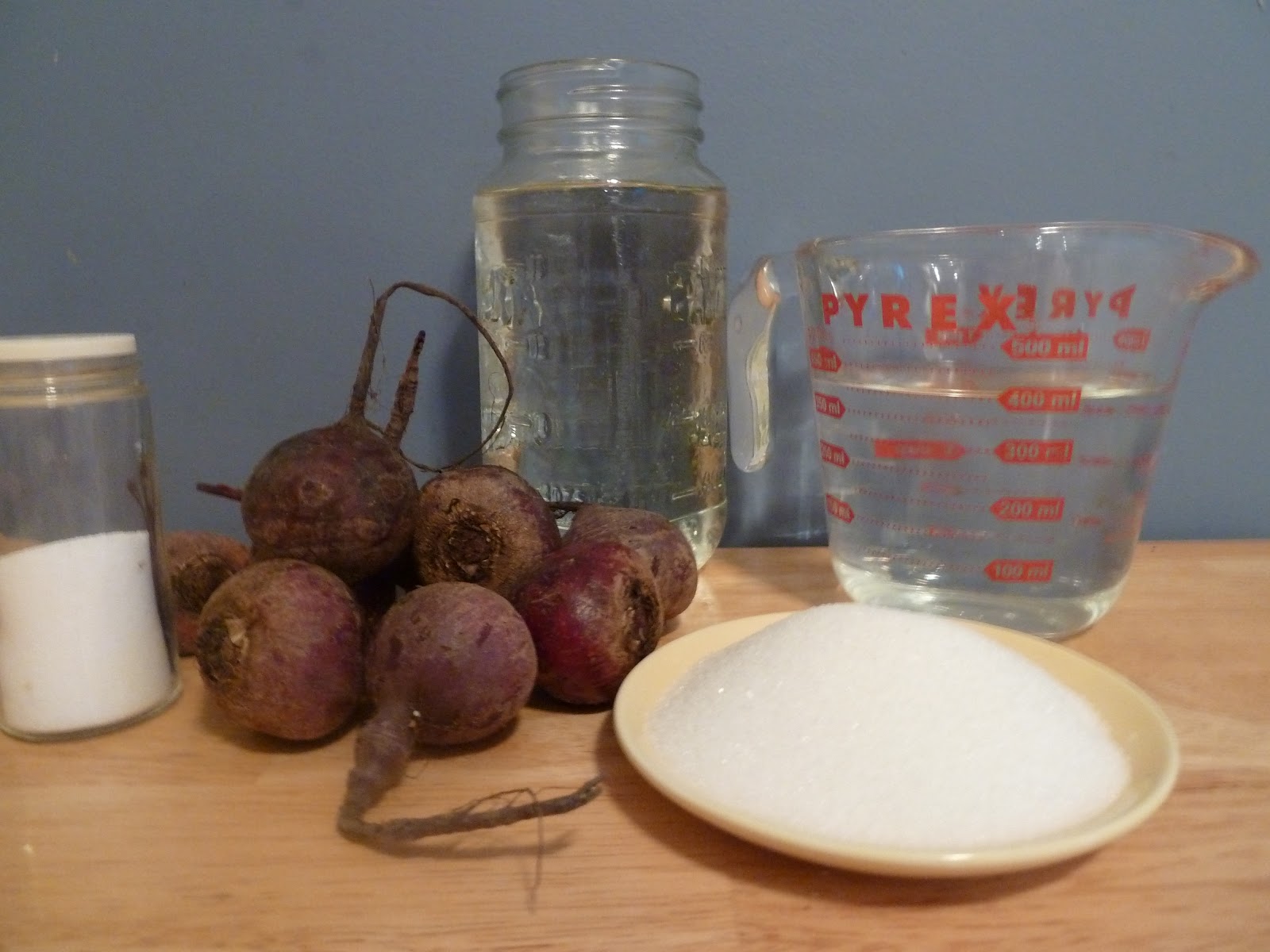


Ingredients: 

- 1/2kg red beets
- 500ml white vinegar
- 100g sugar
- water as required
- salt to taste


Scrub the beets with a bristled brush and break off the root stem. Place the beets into a pot and fill with water until the tops of the beets are just covered. Remember to season the water with salt. Cook the beets until a fork can easily be pressed through.


Allow the beets to cool before you cut up the ends and peel off the skin. I found it was easiest to remove the skin by using a spoon (this is also the best way to peel the skin off of a ginger root).


Slice the beets into cm thick rounds and place into a jar with sugar. 


Poor vinegar into the jar to dissolve the sugar. Next time I think I will my grandma's method of bring the vinegar and sugar to a boil and pouring on top of the beets.


Niðursoðnar Rauðrófur seems to be served with every Icelandic dish from meets to potatoes. These pickled beets will last for about 2 weeks in the fridge, but if you are like me, they will be gone before they go bad. 

Sunday, November 25, 2012

~ Rauðkál


Although I am not very found of cabbage, I am making Rauðkál to try out one of the common side-dishes that accompanies Icelandic meals. It is interesting to see how many of the Icelandic recipes incorporate the same ingredients, but use the one varying ingredient (in this case, cabbage) to make an entirely unique tasting dish. 

Ingredients: 

- 1 small shredded red cabbage
- 2tbsp of butter
- 1/2 cup of vinegar
- 1/2 cup of sugar
- 2 tsp of salt


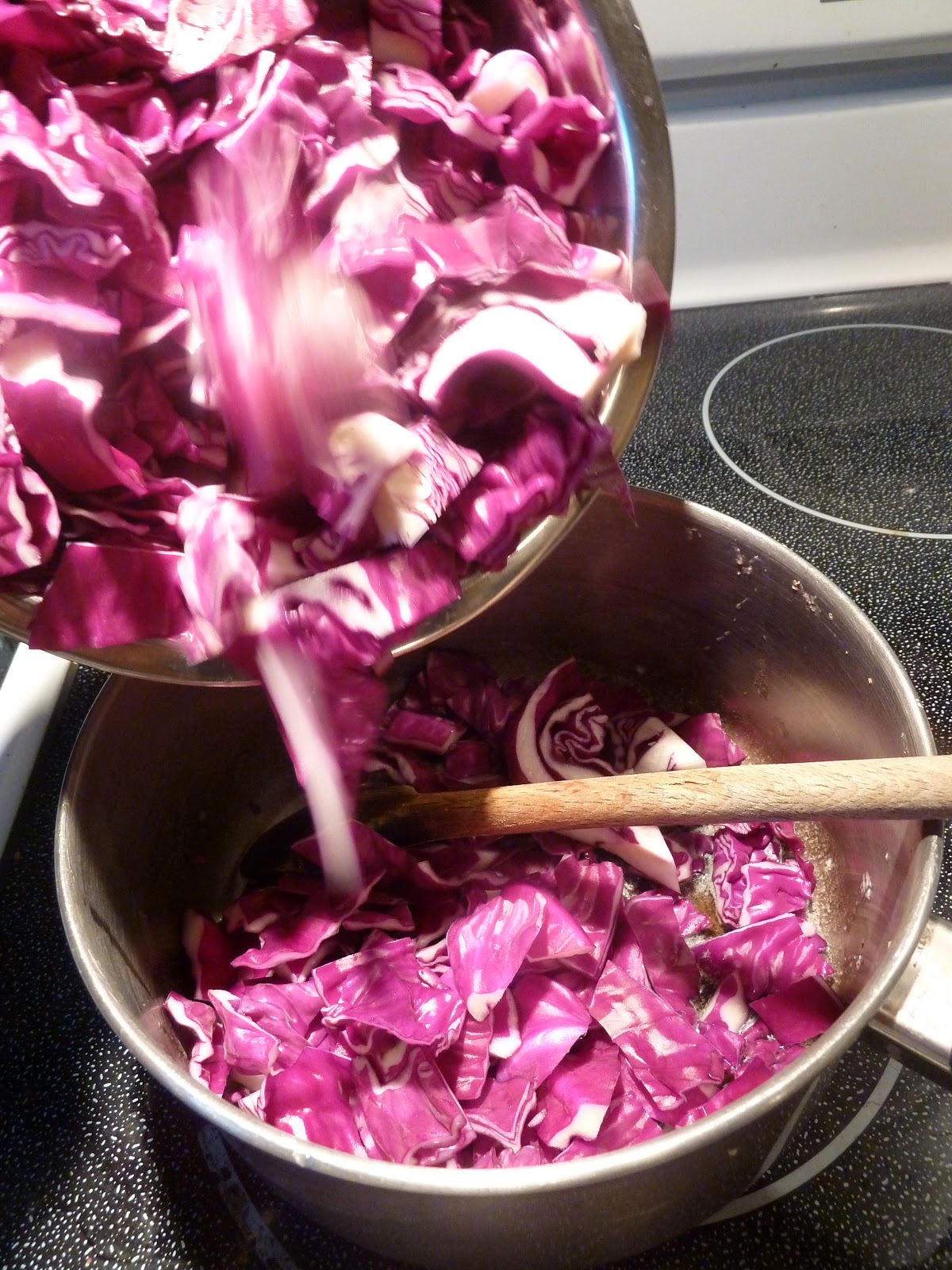
Melt butter in a pot set to medium.


Add cabbage


vinegar


sugar 


and salt


Allow Rauðkál to boil until the cabbage becomes soft (about an hour). Rauðkál has been a hit with my boyfriend who eats it with potatoes and requests it every time I make dinner. Rauðkál goes very well with Beinlausir Fuglar (boneless birds).

~ Hrísgrjónagrautur


Hrísgrjónagrautur is an unsweetened rice pudding. Although rice and sugar are not very authentic, the use of dried fruit and rich milk made this desert taste very traditional. During the holiday season, Hrísgrjónagrautur would be served with an almond surprise hidden in one of the bowls. 


Ingredients:

- 1/4lt of water
- 3/4 lt of milk
- 100g rice
- 1/2tsp salt


Cook the rice in the hot water until the water is almost completely absorbed. 


Gradually ad the milk and continue to cook until the rice is soft. Stir in a handful of raisins and allow to warm.


This pudding tasted nice warmed up with a little sugar, or cold a long side some of the roast I made tonight. I am surprised by how easy most of these Icelandic recipes are proving to be.

~ Kartöflustappa


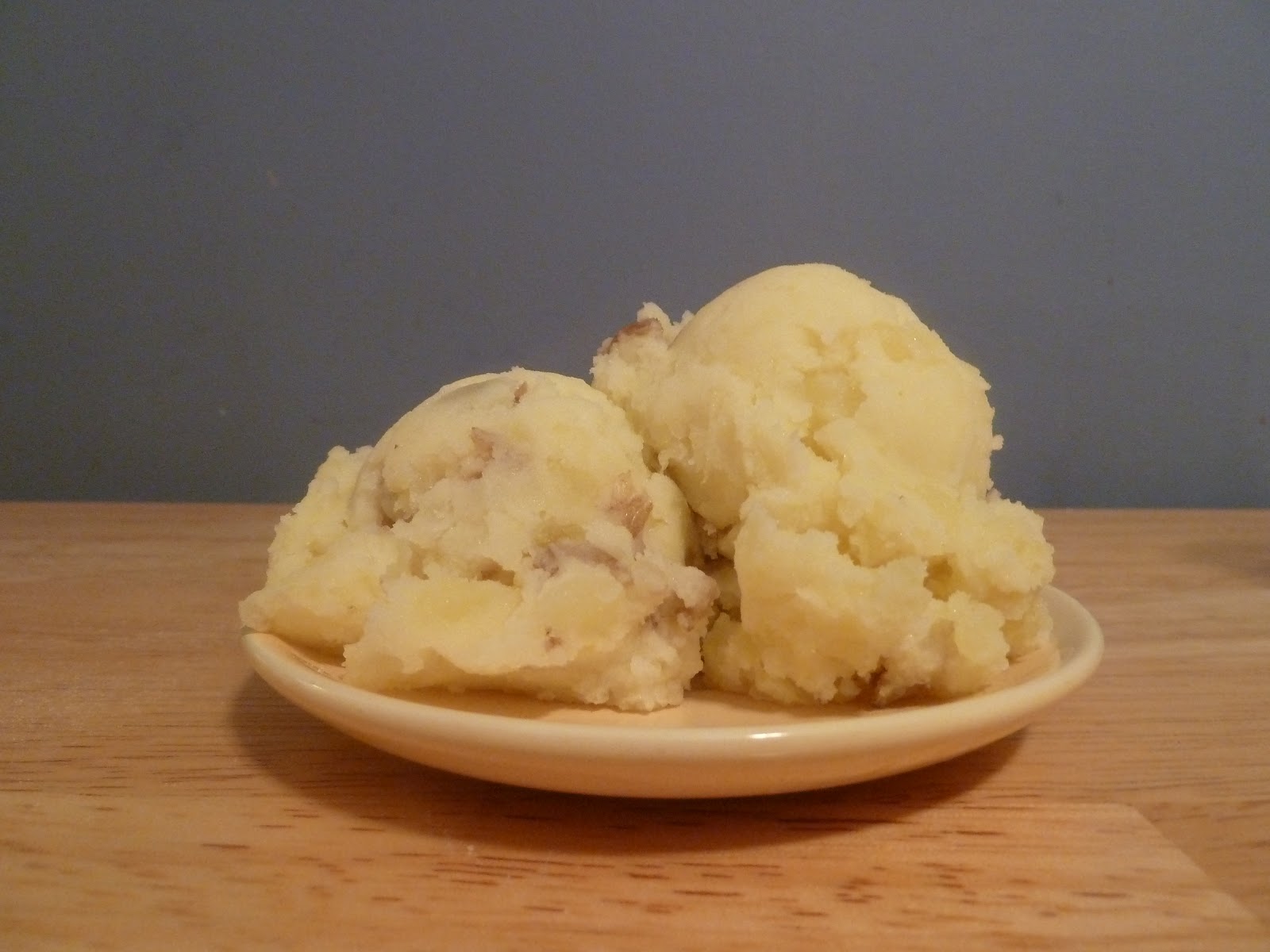
With my boyfriend working at a produce company I have a never ending supply of potatoes sitting in my pantry. I felt like a traditional Icelandic women being able to use what I had on hand to serve Kartöflustappa to my potato loving guy for one of his nightly after-dinner snacks. I can imagine that this would be a popular traditional side dish in Icelandic homes during the winter time when fresh foods are less available. 


Ingredients

- 1kg potatoes
- 250ml milk 
- 15g sugar
- 1 tbsp butter
- salt to season


To speed up the cooking time I cut my potatoes in half before cooking. I find no sense in peeling potatoes because that is where you find the most nutrition! Trying to keep to a traditional Icelandic mindset, there would be no sense waisting food.


Place potatoes in a pot with cold water and bring to a boil. Remember to season the water with a bit of salt. Potatoes are done when you can easily cut through with a fork.


Gradually add milk as you mash the potatoes to your desired consistency. When fully mashed, mix in the remaining milk and butter.


Serve hot as a side dish or even a main-meal with vegetables on the side. 

Saturday, November 24, 2012

~ Ávaxtagrautur


Feeling in the mood for something sweet I choose to make Avaxtagrautur, a strewed desert fruit desert served with cream and sugar. Even though sugar does not seem like a very authentically Icelandic ingredient, the dried preserves and use of heavy cream is very traditional.


Ingredients: 

- 150g of dried fruits
- 50g sugar
- 30g potato flour
- 900ml water


Start by simmering the fruit in water until the fruit softens. 


When the fruit has softened you can choose to keep it the same, run it through a sieve or mash it a bit as I have. Add sugar to sweeten and flour to thicken. 


Serve warm with a bit of half and half cream. Although a bit too sweet for my taste, this was a very yummy desert that I will make again (with half the sugar). 

~ Fiskibollur


My mom came over for dinner tonight so I decided to make make Fiskibollur. Fiskibollur roughly translates to fish-balls or fish circles (bollur indicates that the item is round). Although it did not turn out how I expected, Fiskibollur tasted great and has given my mom an idea of how to use up leftover fish. Icelandic cooks really knew how to utilize what they had to create a variety of interesting dishes. 

Ingredients: 

- 1 or 2 fillets of cod
- 1 medium onion
- 3 tbsp flour
- 1tsp salt
- milk (as needed)
- 2 eggs
- 1 tbsp of potato flour
- pepper to taste


Mince the cod with the onions. I was stuck with a knife, but this would have been a lot easier with a mincer or other blender device.


Combine the pepper, flour, starch and salt into the fish and onion mix. 


Add a little bit of milk to the mixture. I made the mistake of thinking that I would need the full 500ml. Personally, I feel like this recipe does not need much milk at all because cod is a very water heavy fish.


Add an egg to the mix and let stand for about 30minutes.


Heat oil in a hot pan and ladle the mixture into palm size heaps. Cook on both sides until the fish is thoroughly done. With less milk, mine would have stayed together a lot better during the flipping process.


Fiskibollur can be served with a light salad or any other side dishes that go well with fish. This is a great recipe to squeeze in a few more vegetables as you barely notice the taste of onion. 

Friday, November 23, 2012

~ Plokkfiskur


Roughly translating to 'mashed fish,' Plokkfishkur is a visually unappealing dish that tastes fantastic. For Icelanders, fish such as halibut and cod have always be staple on the tables of Iceland. Plokkfishkur is a dish that utilizes the abundant food sources of Iceland which included root vegetables, dairy and fish. This recipe comes from the Island Naturally Website, a site with a great amount of information of the Icelandic culture. 


Ingredients:

-1 1/4 lbs of Cod
-1 1/4 lbs peeled and boiled potatoes
-1 diced white onion
-12oz of milk
-2 oz of butter
-3tbsp flour
-chives
-salt and pepper to taste


Heat the milk in a saucepan and bring it almost to a boil.


As the milk heats, melt the butter in a separate pan and add the onions. Allow the onions to soften without browning. 


When the onions have softened, sprinkle them with flour, stir and then cook for another two minutes at medium heat.


Gradually pour the warmed milk into the onion mixture, stirring constantly. I find it easier to create a thick sauce adding the milk very slowly. Stir often as you cook the milk and onion mixture for another three to four minutes. 


Add flaked fish. I find cod to be high in water content so I salted my fish before hand to remove the excess moisture. 


Add the cubed potatoes and cook until the potatoes are warmed through and the fish is ready. Add salt and pepper to taste. 


Traditionally, Plokkfiskur should be served with home-made rye-bread and can be garnished with chives, parsley or other fresh herbs. Although this recipe was very simple and had very little seasoning, it came out great and will deffinatly be a go to recipe from now on. I find it interesting to how much flavour comes from such basic ingredients.